Buy cryptoinvesting.eu ?
We are moving the project
cryptoinvesting.eu .
Are you interested in purchasing the domain
cryptoinvesting.eu ?
domain@kv-gmbh.de · 0541-91531010
Buy cryptoinvesting.eu ?
Doesn't IPv4 work, only IPv6?
No, both IPv4 and IPv6 are used for communication over the internet. IPv4 is the older version and is still widely used, but it is running out of available addresses due to the increasing number of devices connecting to the internet. IPv6 was developed to address this issue by providing a much larger pool of available addresses. Both IPv4 and IPv6 can coexist and are used simultaneously in many networks. **
Are IPv4 and IPv6 separate?
Yes, IPv4 and IPv6 are separate and distinct protocols for identifying and addressing devices on a network. IPv4 is the older and more widely used protocol, while IPv6 is the newer and more advanced protocol designed to address the limitations of IPv4, such as the exhaustion of available addresses. Both protocols can coexist on the same network, but they are not directly compatible with each other. **


Similar search terms for PLANET-GS-4210-8UP2S-IPv6-IPv4
Top-Angebote
Products related to PLANET-GS-4210-8UP2S-IPv6-IPv4:
-
Global GS-63 Fish Bone TweezersThese Global GS-63 Fish Bone Tweezers, made from stainless steel, will tightly grip fish bones and are suitable for use on all types of raw fish.The edges of these tweezers are sharp and provide a good grip, allowing you to remove even the tiniest of fish bones without damaging the delicate flesh. Cleaning these Global GS-63 Fish Bone Tweezers is straightforward and easy. Simply wash immediately after use in warm water with a mild detergent and dry with a soft cloth. Made in Japan.33,95 £*Shipping: 3,50 £Secure redirect to the provider
-
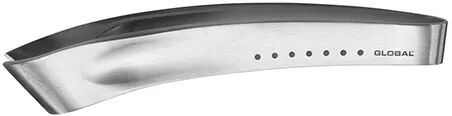
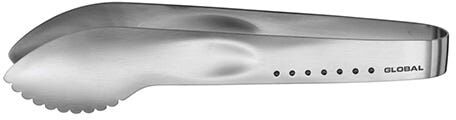
Global GS-64 Cookie Tongs & ServerPerfect for cooking and serving food that is too hot to touch, this Global GS-64 Cookie Tongs & Server is made from Cromova18 stainless steel, making them light and easy in the hand whilst being strong and robust. The slightly scalloped edge to these tongs provide extra grip during use. Cleaning these Global GS-64 Cookie Tongs & Server is straightforward and easy. Simply wash immediately after use in warm water with a mild detergent and dry with a soft cloth. Made in Japan.16,96 £*Shipping: 3,50 £Secure redirect to the provider
-
Global GS-25 Plain Spatula FlexibleWith a nice wide head, this Global GS-25 Plain Spatula is also flexible, making it especially good for turning food on a grill or in a frying pan. Especially good for delicate food such as fish, which can easily fall apart. Part of the Global GS series, this flexible spatula is made from Cromova18 stainless steel and features a precisely balanced hollow, sand filled handle. The iconic Global dots on the handle ensure a non-slip grip whilst the smooth contours and seamless construction, eliminates food or dirt traps offering the ultimate safety and hygiene. Cleaning this Global GS-25 Flexible Plain Spatula is straightforward and easy. Simply wash immediately after use in warm water with a mild detergent and dry with a soft cloth. Made in Japan.64,95 £*Shipping: 0,00 £Secure redirect to the provider
-
Global GS-26 Slotted Spatula FlexibleWith a nice wide head, this Global GS-26 Slotted Spatula is the same as the GS-25 but slotted, allowing oil and fat to drain away. This Global slotted spatula is also flexible, making it especially good for turning food on a grill or in a frying pan. particularly handy for delicate food such as fish, which can easily fall apart. Part of the Global GS series, this flexible slotted spatula is made from Cromova18 stainless steel and features a precisely balanced hollow, sand filled handle. The iconic Global dots on the handle ensure a non-slip grip whilst the smooth contours and seamless construction, eliminates food or dirt traps offering the ultimate safety and hygiene. Cleaning this Global GS-26 Flexible Slotted Spatula is straightforward and easy. Simply wash immediately after use in warm water with a mild detergent and dry with a soft cloth. Made in Japan.64,95 £*Shipping: 0,00 £Secure redirect to the provider


-
Is IPv4 connected but IPv6 not?
No, IPv4 and IPv6 are separate and independent protocols. They can coexist on the same network, but they are not directly connected to each other. Devices and networks can support both IPv4 and IPv6 simultaneously, allowing for communication over both protocols. **
-
What are IPv6 and IPv4 addresses?
IPv6 and IPv4 addresses are numerical labels assigned to devices connected to a network to identify and locate them. IPv4 addresses are 32-bit numerical labels separated by periods, while IPv6 addresses are 128-bit numerical labels separated by colons. IPv4 addresses are running out due to the increasing number of devices connected to the internet, leading to the development and adoption of IPv6 addresses to accommodate the growing demand for unique addresses. **
-
Can you change IPv6 to IPv4?
No, you cannot directly change IPv6 to IPv4. IPv6 and IPv4 are two different network protocols with distinct addressing schemes. IPv6 was developed to address the limitations of IPv4, such as the exhaustion of available IPv4 addresses. To switch from IPv6 to IPv4, you would need to reconfigure your network infrastructure and devices to use IPv4 addresses instead of IPv6. **
-
Which is better, IPv6 or IPv4?
IPv6 is generally considered better than IPv4 for several reasons. First, IPv6 has a much larger address space, allowing for more unique IP addresses to be assigned. This is important as the number of devices connected to the internet continues to grow. Additionally, IPv6 includes built-in security features, such as IPsec, which helps to improve the overall security of internet communication. Finally, IPv6 also offers better support for mobile devices and improved network auto-configuration, making it more efficient for modern internet usage. **


How can one convert IPv6 to IPv4?
One way to convert IPv6 to IPv4 is by using a technique called IPv4-mapped IPv6 addresses. This involves representing an IPv4 address within an IPv6 address format. Another method is to use a tunneling mechanism, such as 6to4 or Teredo, which encapsulates IPv6 packets within IPv4 packets for transmission over an IPv4 network. Additionally, network address translation (NAT) can be used to translate between IPv6 and IPv4 addresses at the network boundary. **
Does the website use IPv4 or IPv6?
The website uses IPv4. This can be determined by checking the website's IP address, which typically starts with "http://xxx.xxx.xxx.xxx" for IPv4 addresses. IPv6 addresses, on the other hand, start with "http://xxxx:xxxx:xxxx:xxxx:xxxx:xxxx:xxxx:xxxx". Since the website's IP address follows the IPv4 format, it can be concluded that the website uses IPv4. **
Top-Angebote
Products related to PLANET-GS-4210-8UP2S-IPv6-IPv4:
-
Little Tiger Press Planet Earth Series Collection 3 Books Box Set (Blue Planet, Green Planet, Red Planet)Blue Planet Every creature in the ocean – from the tiny snail to the enormous blue whale – depends on water for survival. This beautifully illustrated book introduces children to the animals that live in the world’s waters. Green Planet Every creature in the forest – from the tiny beetle to the giant bear – depends on trees for survival. This wonderful introduction to the natural world is full of facts about animals and wildlife in the forests of the globe. Red Planet This engaging book introduces children to some of the most resilient and adaptable animals that live in the hottest places around the world--in deserts, near volcanoes, close to hot springs, and even near underwater volcanoes and geysers.9,99 £*Shipping: 2,99 £Secure redirect to the provider
-
Global GS-107 Plating TweezersThese Global GS-107 Plating Tweezers, are an exceptional tool for more precise works within the kitchen. These plating tweezers can be used for plating food such as micro-herbs or garnish. Alternatively, these tweezers make a fantastic substitute for Japanese chopsticks, or use them for turning dishes in a pan, on a barbecue or on a grill for fried foods. Global GS-107 Plating Tweezers are made from Cromova18 Steel in Japan. Part of the Global GS collection, these plating tweezers were designed by Komin Yamada. Global GS-107 Plating Tweezers are suitable for hand washing.41,95 £*Shipping: 3,50 £Secure redirect to the provider
-
Global GS-63 Fish Bone TweezersThese Global GS-63 Fish Bone Tweezers, made from stainless steel, will tightly grip fish bones and are suitable for use on all types of raw fish.The edges of these tweezers are sharp and provide a good grip, allowing you to remove even the tiniest of fish bones without damaging the delicate flesh. Cleaning these Global GS-63 Fish Bone Tweezers is straightforward and easy. Simply wash immediately after use in warm water with a mild detergent and dry with a soft cloth. Made in Japan.33,95 £*Shipping: 3,50 £Secure redirect to the provider
-
Global GS-64 Cookie Tongs & ServerPerfect for cooking and serving food that is too hot to touch, this Global GS-64 Cookie Tongs & Server is made from Cromova18 stainless steel, making them light and easy in the hand whilst being strong and robust. The slightly scalloped edge to these tongs provide extra grip during use. Cleaning these Global GS-64 Cookie Tongs & Server is straightforward and easy. Simply wash immediately after use in warm water with a mild detergent and dry with a soft cloth. Made in Japan.16,96 £*Shipping: 3,50 £Secure redirect to the provider
-
Doesn't IPv4 work, only IPv6?
No, both IPv4 and IPv6 are used for communication over the internet. IPv4 is the older version and is still widely used, but it is running out of available addresses due to the increasing number of devices connecting to the internet. IPv6 was developed to address this issue by providing a much larger pool of available addresses. Both IPv4 and IPv6 can coexist and are used simultaneously in many networks. **
-
Are IPv4 and IPv6 separate?
Yes, IPv4 and IPv6 are separate and distinct protocols for identifying and addressing devices on a network. IPv4 is the older and more widely used protocol, while IPv6 is the newer and more advanced protocol designed to address the limitations of IPv4, such as the exhaustion of available addresses. Both protocols can coexist on the same network, but they are not directly compatible with each other. **
-
Is IPv4 connected but IPv6 not?
No, IPv4 and IPv6 are separate and independent protocols. They can coexist on the same network, but they are not directly connected to each other. Devices and networks can support both IPv4 and IPv6 simultaneously, allowing for communication over both protocols. **
-
What are IPv6 and IPv4 addresses?
IPv6 and IPv4 addresses are numerical labels assigned to devices connected to a network to identify and locate them. IPv4 addresses are 32-bit numerical labels separated by periods, while IPv6 addresses are 128-bit numerical labels separated by colons. IPv4 addresses are running out due to the increasing number of devices connected to the internet, leading to the development and adoption of IPv6 addresses to accommodate the growing demand for unique addresses. **
Similar search terms for PLANET-GS-4210-8UP2S-IPv6-IPv4
-
Global GS-25 Plain Spatula FlexibleWith a nice wide head, this Global GS-25 Plain Spatula is also flexible, making it especially good for turning food on a grill or in a frying pan. Especially good for delicate food such as fish, which can easily fall apart. Part of the Global GS series, this flexible spatula is made from Cromova18 stainless steel and features a precisely balanced hollow, sand filled handle. The iconic Global dots on the handle ensure a non-slip grip whilst the smooth contours and seamless construction, eliminates food or dirt traps offering the ultimate safety and hygiene. Cleaning this Global GS-25 Flexible Plain Spatula is straightforward and easy. Simply wash immediately after use in warm water with a mild detergent and dry with a soft cloth. Made in Japan.64,95 £*Shipping: 0,00 £Secure redirect to the provider
-
Global GS-26 Slotted Spatula FlexibleWith a nice wide head, this Global GS-26 Slotted Spatula is the same as the GS-25 but slotted, allowing oil and fat to drain away. This Global slotted spatula is also flexible, making it especially good for turning food on a grill or in a frying pan. particularly handy for delicate food such as fish, which can easily fall apart. Part of the Global GS series, this flexible slotted spatula is made from Cromova18 stainless steel and features a precisely balanced hollow, sand filled handle. The iconic Global dots on the handle ensure a non-slip grip whilst the smooth contours and seamless construction, eliminates food or dirt traps offering the ultimate safety and hygiene. Cleaning this Global GS-26 Flexible Slotted Spatula is straightforward and easy. Simply wash immediately after use in warm water with a mild detergent and dry with a soft cloth. Made in Japan.64,95 £*Shipping: 0,00 £Secure redirect to the provider
-
Global GS-1 11cm Blade Kitchen KnifeBlade Length: 11cmGlobal GS Series Knives - The GS Series is a classic collection of small and medium-sized knivesManufactured by Yoshikin in Niigata, Japan, using exclusive CROMOVA 18 high carbon stainless steelSuperior razor sharp edge ground steeply to a point on an acute angle holding a sharper edge for longerPrecisely balanced hollow sand filled handleSmooth contours and seamless construction, eliminates food or dirt traps offering the ultimate safety and hygieneExcellent stain resistance and edge retention Knives are not for sale to persons under the age of 18. - all knives and bladed products are delivered by Age Verified Delivery (AVD). The carrier may request proof of age in order to deliver your parcel. If proof of age is not available, or the recipient is underage, the carrier will refuse to deliver.86,95 £*Shipping: 0,00 £Secure redirect to the provider
-
Can you change IPv6 to IPv4?
No, you cannot directly change IPv6 to IPv4. IPv6 and IPv4 are two different network protocols with distinct addressing schemes. IPv6 was developed to address the limitations of IPv4, such as the exhaustion of available IPv4 addresses. To switch from IPv6 to IPv4, you would need to reconfigure your network infrastructure and devices to use IPv4 addresses instead of IPv6. **
-
Which is better, IPv6 or IPv4?
IPv6 is generally considered better than IPv4 for several reasons. First, IPv6 has a much larger address space, allowing for more unique IP addresses to be assigned. This is important as the number of devices connected to the internet continues to grow. Additionally, IPv6 includes built-in security features, such as IPsec, which helps to improve the overall security of internet communication. Finally, IPv6 also offers better support for mobile devices and improved network auto-configuration, making it more efficient for modern internet usage. **
-
How can one convert IPv6 to IPv4?
One way to convert IPv6 to IPv4 is by using a technique called IPv4-mapped IPv6 addresses. This involves representing an IPv4 address within an IPv6 address format. Another method is to use a tunneling mechanism, such as 6to4 or Teredo, which encapsulates IPv6 packets within IPv4 packets for transmission over an IPv4 network. Additionally, network address translation (NAT) can be used to translate between IPv6 and IPv4 addresses at the network boundary. **
-
Does the website use IPv4 or IPv6?
The website uses IPv4. This can be determined by checking the website's IP address, which typically starts with "http://xxx.xxx.xxx.xxx" for IPv4 addresses. IPv6 addresses, on the other hand, start with "http://xxxx:xxxx:xxxx:xxxx:xxxx:xxxx:xxxx:xxxx". Since the website's IP address follows the IPv4 format, it can be concluded that the website uses IPv4. **
* All prices are inclusive of VAT and, if applicable, plus shipping costs. The offer information is based on the details provided by the respective shop and is updated through automated processes. Real-time updates do not occur, so deviations can occur in individual cases. ** Note: Parts of this content were created by AI.