Buy cryptoinvesting.eu ?
We are moving the project
cryptoinvesting.eu .
Are you interested in purchasing the domain
cryptoinvesting.eu ?
domain@kv-gmbh.de · 0541-91531010
Buy cryptoinvesting.eu ?
Why do homeothermic animals hibernate?
Homeothermic animals hibernate as a survival strategy to conserve energy and resources during periods of food scarcity and harsh environmental conditions, such as winter. By entering a state of reduced metabolic activity and lowering their body temperature, homeothermic animals can slow down their physiological processes and survive on stored fat reserves. This allows them to endure long periods without food and minimize their energy expenditure until more favorable conditions return. Hibernation also helps homeothermic animals avoid predators and reduce their risk of exposure to extreme weather. **
What does homeothermic and poikilothermic mean?
Homeothermic refers to animals that can maintain a relatively constant body temperature, regardless of external environmental conditions. This is typically achieved through internal physiological processes such as shivering or sweating. Poikilothermic, on the other hand, refers to animals whose body temperature fluctuates with the temperature of their environment. These animals rely on external sources of heat, such as the sun, to regulate their body temperature. **

Similar search terms for Homeothermic
Top-Angebote
Products related to Homeothermic:
-
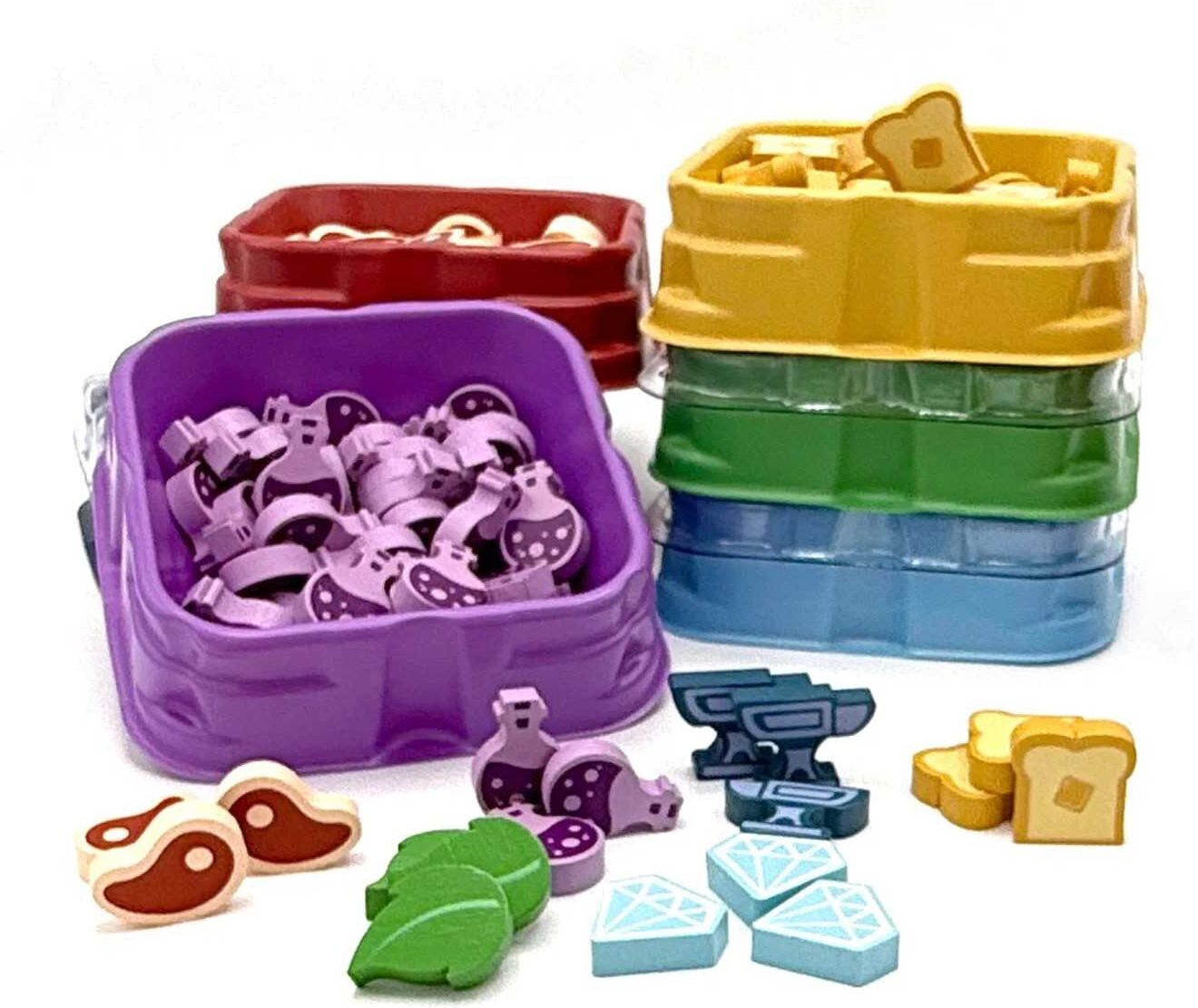
Flamecraft Wooden Resource Tokens by Cardboard Alchemy, Jumbo Wooden Resource Tokens for Flamecraft Board Game, Upgrade Your GameUpgrade your Flamecraft game with this set of jumbo wooden resource tokens from Cardboard Alchemy. Designed as a deluxe replacement for the standard resources, these tactile wooden pieces add a more substantial feel to play and bring extra character to the table. The set includes wooden resource tokens, along with storage trays to help keep the components organized between games. These tokens are intended for use with the Flamecraft board game and are a useful upgrade for players who want a more substantial alternative to the standard resource components.19,19 £*Shipping: 1,99 £Secure redirect to the provider



-
What are poikilothermic animals and homeothermic animals?
Poikilothermic animals are organisms whose internal body temperature fluctuates with the temperature of their environment. They are also known as cold-blooded animals. Examples of poikilothermic animals include reptiles, amphibians, and most fish. Homeothermic animals, on the other hand, are organisms that can maintain a relatively constant internal body temperature regardless of the external temperature. They are also known as warm-blooded animals. Mammals and birds are examples of homeothermic animals. **
-
What is the difference between poikilothermic and homeothermic?
Poikilothermic organisms, such as reptiles and amphibians, have body temperatures that fluctuate with the temperature of their environment. In contrast, homeothermic organisms, like mammals and birds, are able to maintain a relatively constant internal body temperature regardless of the external environment. This ability to regulate body temperature allows homeothermic organisms to be more active in a wider range of environmental conditions compared to poikilothermic organisms. **
-
Are desert foxes poikilothermic, homeothermic, or ectothermic animals?
Desert foxes are homeothermic animals, meaning they can regulate their body temperature internally and maintain a relatively constant temperature regardless of external conditions. This ability allows them to thrive in the extreme temperatures of the desert environment. Homeothermic animals, also known as warm-blooded animals, are able to maintain a stable body temperature through metabolic processes such as shivering or sweating. **
-
What is the difference between homeothermic and poikilothermic animals?
Homeothermic animals are able to regulate their body temperature internally, maintaining a relatively constant temperature regardless of external conditions. Poikilothermic animals, on the other hand, rely on their environment to regulate their body temperature and their internal temperature fluctuates with the external temperature. Homeothermic animals, such as mammals and birds, have higher metabolic rates and are able to maintain a more stable internal environment compared to poikilothermic animals, such as reptiles and amphibians. **

Why does Bergmann's rule not apply to homeothermic animals?
Bergmann's rule states that within a species, individuals in colder climates tend to be larger than those in warmer climates. This is thought to be an adaptation to help conserve heat in colder environments. However, this rule does not apply to homeothermic animals, which are able to regulate their own body temperature. Homeothermic animals can maintain a constant internal temperature regardless of external climate, so there is no need for them to adapt their body size in response to temperature variations. Therefore, Bergmann's rule is not relevant to homeothermic animals. **
What are the advantages of homeothermic animals, in this case bats in hibernation?
Homeothermic animals, such as bats in hibernation, have the advantage of being able to maintain a relatively constant body temperature regardless of external conditions. This allows them to conserve energy during periods of reduced food availability, such as winter. By maintaining a stable body temperature, homeothermic animals can also remain active and responsive to their environment, which is important for survival and reproductive success. Additionally, a stable body temperature helps to support essential physiological processes, such as immune function and metabolic activity, even during periods of reduced activity. **
Top-Angebote
Products related to Homeothermic:
-
Finspan Upgrade Pack for Board Game Enthusiasts, Includes 40 Wooden Tokens, 20 Wooden Tokens, 50 Squishy Egg Tokens, Ages 10+, by Stonemaier GamesEnhance your Finspan board game with this dedicated upgrade pack from Stonemaier Games. It replaces the cardboard tokens included with the base game with tactile wooden and soft plastic components designed specifically for Finspan. The pack contains 40 wooden young tokens, 20 wooden school tokens, and 50 squishy egg tokens made from TPR plastic. These tokens are designed to fit in the centre well of the Finspan game tray, helping keep the upgraded components together during storage. This upgrade pack is suitable for board-game enthusiasts looking to replace the standard cardboard tokens with more tactile components. The base game is required for play, and this pack provides the quantities required for a full five-player game.18,49 £*Shipping: 1,99 £Secure redirect to the provider
-
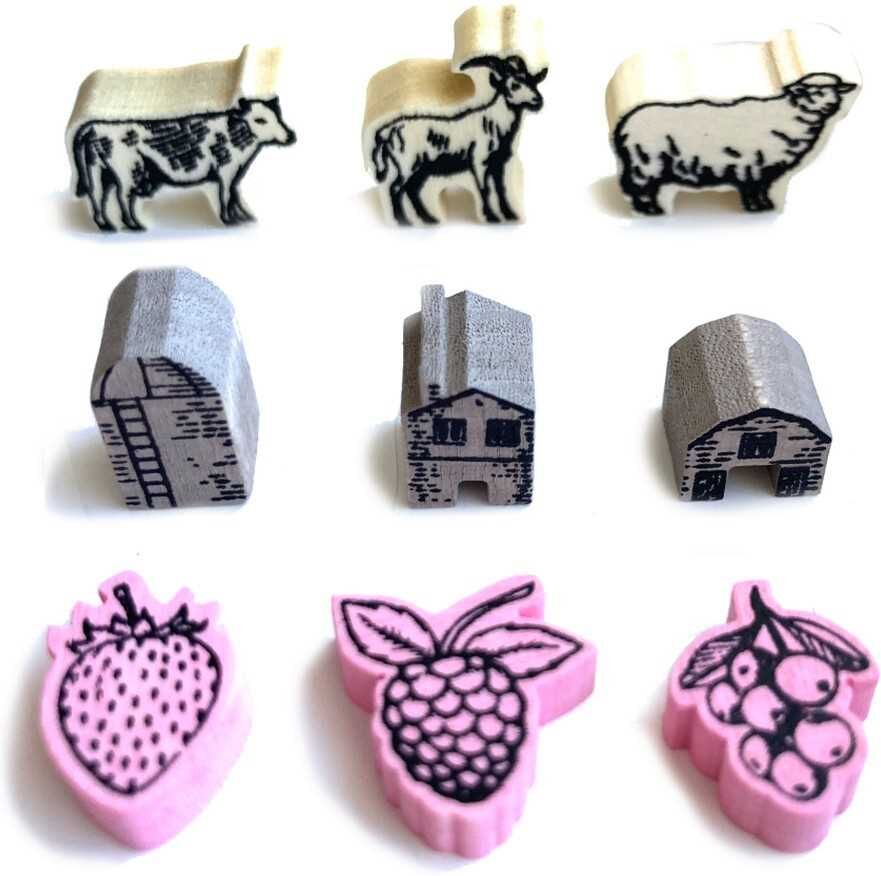
Fromage Wood Tokens Upgrade for Board Games by Road 2 Infamy Games, 108 Wooden TokensUpgrade your Fromage game with this dedicated token upgrade. It adds a more substantial set of wooden components to your copy of Fromage, designed for use with the base game. The upgrade replaces key cardboard-style resources with wooden pieces for structures, fruit, and livestock. The set contains 108 wooden tokens, organized for the resources and structures used during play. This is an accessory rather than a standalone game, so a copy of Fromage is required to use it. The tokens are officially branded for the Fromage game family and are suitable for players wanting to personalize their existing game set. This upgrade keeps the game's resource components clearly distinguished while adding wooden tokens to the table. Road 2 Infamy Games has created a thoughtful addition for regular Fromage players.12,29 £*Shipping: 1,99 £Secure redirect to the provider
-
Flamecraft Wooden Resource Tokens by Cardboard Alchemy, Jumbo Wooden Resource Tokens for Flamecraft Board Game, Upgrade Your GameUpgrade your Flamecraft game with this set of jumbo wooden resource tokens from Cardboard Alchemy. Designed as a deluxe replacement for the standard resources, these tactile wooden pieces add a more substantial feel to play and bring extra character to the table. The set includes wooden resource tokens, along with storage trays to help keep the components organized between games. These tokens are intended for use with the Flamecraft board game and are a useful upgrade for players who want a more substantial alternative to the standard resource components.19,19 £*Shipping: 1,99 £Secure redirect to the provider
-
Why do homeothermic animals hibernate?
Homeothermic animals hibernate as a survival strategy to conserve energy and resources during periods of food scarcity and harsh environmental conditions, such as winter. By entering a state of reduced metabolic activity and lowering their body temperature, homeothermic animals can slow down their physiological processes and survive on stored fat reserves. This allows them to endure long periods without food and minimize their energy expenditure until more favorable conditions return. Hibernation also helps homeothermic animals avoid predators and reduce their risk of exposure to extreme weather. **
-
What does homeothermic and poikilothermic mean?
Homeothermic refers to animals that can maintain a relatively constant body temperature, regardless of external environmental conditions. This is typically achieved through internal physiological processes such as shivering or sweating. Poikilothermic, on the other hand, refers to animals whose body temperature fluctuates with the temperature of their environment. These animals rely on external sources of heat, such as the sun, to regulate their body temperature. **
-
What are poikilothermic animals and homeothermic animals?
Poikilothermic animals are organisms whose internal body temperature fluctuates with the temperature of their environment. They are also known as cold-blooded animals. Examples of poikilothermic animals include reptiles, amphibians, and most fish. Homeothermic animals, on the other hand, are organisms that can maintain a relatively constant internal body temperature regardless of the external temperature. They are also known as warm-blooded animals. Mammals and birds are examples of homeothermic animals. **
-
What is the difference between poikilothermic and homeothermic?
Poikilothermic organisms, such as reptiles and amphibians, have body temperatures that fluctuate with the temperature of their environment. In contrast, homeothermic organisms, like mammals and birds, are able to maintain a relatively constant internal body temperature regardless of the external environment. This ability to regulate body temperature allows homeothermic organisms to be more active in a wider range of environmental conditions compared to poikilothermic organisms. **
Similar search terms for Homeothermic
-
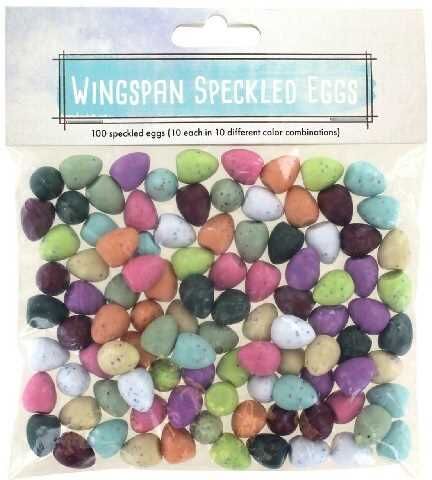
Wingspan: Speckled Eggs Replacement Tokens by Stonemaier Games, 100 Speckled Egg Tokens, 10 Colour Combinations, for Board Game Players and CollectorsAdd a colourful set of replacement egg tokens to your Wingspan tabletop game collection with this official accessory from Stonemaier Games. The set contains 100 speckled egg tokens, arranged as 10 eggs in each of 10 different colour combinations. The eggs are designed to match the size, texture and material of the egg tokens supplied with the game, making them suitable for expanding, refreshing or customising your Wingspan play experience. This accessory is intended for Wingspan players and collectors. It is supplied as a separate accessory rather than as a complete game, so a copy of Wingspan is required for gameplay. As a small family-run business, we use AI to assist us in writing product descriptions, allowing us to provide more detailed information about our products.15,39 £*Shipping: 1,99 £Secure redirect to the provider
-
Uplift Essentials 10Pcs Retro Pirate Coins Plastic Treasure Tokens For Parties & Halloween 10Pcs Retro Pirate Coins Plastic Treasure Tokens For Parties & HalloweenFuel exciting treasure hunts, piratethemed birthday games, and Halloween rewards with this 10piece retro pirate coin set. Designed with raised vintage embossing, including classic skullandcrossbones motifs and decorative treasury symbols, these...32,97 $*Shipping: 0,00 $Secure redirect to the provider
-
Are desert foxes poikilothermic, homeothermic, or ectothermic animals?
Desert foxes are homeothermic animals, meaning they can regulate their body temperature internally and maintain a relatively constant temperature regardless of external conditions. This ability allows them to thrive in the extreme temperatures of the desert environment. Homeothermic animals, also known as warm-blooded animals, are able to maintain a stable body temperature through metabolic processes such as shivering or sweating. **
-
What is the difference between homeothermic and poikilothermic animals?
Homeothermic animals are able to regulate their body temperature internally, maintaining a relatively constant temperature regardless of external conditions. Poikilothermic animals, on the other hand, rely on their environment to regulate their body temperature and their internal temperature fluctuates with the external temperature. Homeothermic animals, such as mammals and birds, have higher metabolic rates and are able to maintain a more stable internal environment compared to poikilothermic animals, such as reptiles and amphibians. **
-
Why does Bergmann's rule not apply to homeothermic animals?
Bergmann's rule states that within a species, individuals in colder climates tend to be larger than those in warmer climates. This is thought to be an adaptation to help conserve heat in colder environments. However, this rule does not apply to homeothermic animals, which are able to regulate their own body temperature. Homeothermic animals can maintain a constant internal temperature regardless of external climate, so there is no need for them to adapt their body size in response to temperature variations. Therefore, Bergmann's rule is not relevant to homeothermic animals. **
-
What are the advantages of homeothermic animals, in this case bats in hibernation?
Homeothermic animals, such as bats in hibernation, have the advantage of being able to maintain a relatively constant body temperature regardless of external conditions. This allows them to conserve energy during periods of reduced food availability, such as winter. By maintaining a stable body temperature, homeothermic animals can also remain active and responsive to their environment, which is important for survival and reproductive success. Additionally, a stable body temperature helps to support essential physiological processes, such as immune function and metabolic activity, even during periods of reduced activity. **
* All prices are inclusive of VAT and, if applicable, plus shipping costs. The offer information is based on the details provided by the respective shop and is updated through automated processes. Real-time updates do not occur, so deviations can occur in individual cases. ** Note: Parts of this content were created by AI.