Buy cryptoinvesting.eu ?
We are moving the project
cryptoinvesting.eu .
Are you interested in purchasing the domain
cryptoinvesting.eu ?
domain@kv-gmbh.de · 0541-91531010
Buy cryptoinvesting.eu ?
How does bubble wrap insulate?
Bubble wrap insulates by trapping air in between the bubbles, creating a barrier that slows down the transfer of heat. The air pockets act as a buffer, reducing the amount of heat that can pass through the material. This helps to maintain a more consistent temperature inside the wrapped object, whether it is protecting it from cold or heat. The thicker the bubble wrap, the better the insulation properties it will have. **
How do you insulate cables?
Cables can be insulated using various materials such as rubber, plastic, or even ceramic. The insulation material is typically applied as a sheath around the conductive wires to protect them from environmental factors such as moisture, heat, and mechanical damage. The thickness and type of insulation used depend on the specific application and the level of protection required. Insulating cables is essential to ensure the safety and reliability of electrical systems. **

Similar search terms for Insulate
Top-Angebote
Products related to Insulate:
-
Snug & Styled Portable Waterproof Coin Storage Case For Game Tokens & Collectible Coins redBring order and protection to your valuable coin collection wherever you go. This coin storage case is designed for collectors, gamers, and hobbyists who want a simple way to keep coins, tokens, and game pieces safe from scratches, dust, and...37,97 $*Shipping: 0,00 $Secure redirect to the provider



-
How do you insulate a container?
To insulate a container, you can use materials such as foam insulation, fiberglass insulation, or reflective insulation. First, measure the dimensions of the container to determine how much insulation material you will need. Then, cut the insulation material to fit the walls, floor, and ceiling of the container. Finally, secure the insulation in place using adhesive, tape, or fasteners to create a barrier that helps regulate the temperature inside the container. **
-
How can you insulate a carport?
One way to insulate a carport is by adding insulation material to the walls and ceiling. This can include using foam board insulation, fiberglass batts, or spray foam insulation. Another method is to install insulated garage doors to help keep the space warm. Additionally, sealing any gaps or cracks in the walls and ceiling can also help prevent heat loss and improve insulation. **
-
How can one insulate a ceiling?
One way to insulate a ceiling is by installing batt insulation between the ceiling joists. This involves measuring the space between the joists, cutting the insulation to fit, and placing it snugly between the joists. Another method is to use blown-in insulation, which involves blowing loose insulation material into the ceiling cavity using a machine. Additionally, adding a layer of rigid foam insulation board on top of the ceiling can also help improve insulation. **
-
How do I insulate a piano?
To insulate a piano, you can start by placing a piano cover over the instrument when it is not in use to protect it from temperature changes. Additionally, you can use a dehumidifier in the room where the piano is kept to regulate the humidity levels and prevent damage to the wood. It is also recommended to keep the piano away from direct sunlight and drafts to maintain a stable environment for the instrument. **


How do I insulate the floor?
To insulate the floor, you can start by adding insulation material between the floor joists in the crawl space or basement. This can help to prevent heat loss and keep the floors warmer. Additionally, you can install carpet or rugs to add an extra layer of insulation and warmth to the floor. Another option is to use rigid foam insulation panels on the underside of the floor joists to provide insulation and reduce heat transfer. Finally, sealing any air leaks or gaps in the floor can also help to improve insulation. **
How do you insulate wire connectors?
To insulate wire connectors, you can use heat shrink tubing. Simply slide the heat shrink tubing over the wire connector and use a heat source, such as a heat gun or lighter, to shrink the tubing around the connector. This creates a tight, protective seal around the connector, insulating it from moisture and preventing short circuits. It's important to choose the right size of heat shrink tubing to ensure a snug fit around the wire connector. **
Top-Angebote
Products related to Insulate:
-
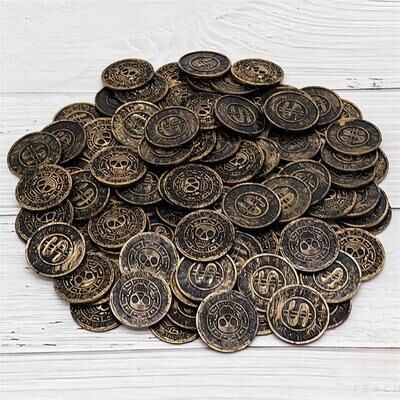
Uplift Essentials 10Pcs Retro Pirate Coins Plastic Treasure Tokens For Parties & Halloween 10Pcs Retro Pirate Coins Plastic Treasure Tokens For Parties & HalloweenFuel exciting treasure hunts, piratethemed birthday games, and Halloween rewards with this 10piece retro pirate coin set. Designed with raised vintage embossing, including classic skullandcrossbones motifs and decorative treasury symbols, these...32,97 $*Shipping: 0,00 $Secure redirect to the provider
-
Snug & Styled Portable Waterproof Coin Storage Case For Game Tokens & Collectible Coins redBring order and protection to your valuable coin collection wherever you go. This coin storage case is designed for collectors, gamers, and hobbyists who want a simple way to keep coins, tokens, and game pieces safe from scratches, dust, and...37,97 $*Shipping: 0,00 $Secure redirect to the provider
-
How does bubble wrap insulate?
Bubble wrap insulates by trapping air in between the bubbles, creating a barrier that slows down the transfer of heat. The air pockets act as a buffer, reducing the amount of heat that can pass through the material. This helps to maintain a more consistent temperature inside the wrapped object, whether it is protecting it from cold or heat. The thicker the bubble wrap, the better the insulation properties it will have. **
-
How do you insulate cables?
Cables can be insulated using various materials such as rubber, plastic, or even ceramic. The insulation material is typically applied as a sheath around the conductive wires to protect them from environmental factors such as moisture, heat, and mechanical damage. The thickness and type of insulation used depend on the specific application and the level of protection required. Insulating cables is essential to ensure the safety and reliability of electrical systems. **
-
How do you insulate a container?
To insulate a container, you can use materials such as foam insulation, fiberglass insulation, or reflective insulation. First, measure the dimensions of the container to determine how much insulation material you will need. Then, cut the insulation material to fit the walls, floor, and ceiling of the container. Finally, secure the insulation in place using adhesive, tape, or fasteners to create a barrier that helps regulate the temperature inside the container. **
-
How can you insulate a carport?
One way to insulate a carport is by adding insulation material to the walls and ceiling. This can include using foam board insulation, fiberglass batts, or spray foam insulation. Another method is to install insulated garage doors to help keep the space warm. Additionally, sealing any gaps or cracks in the walls and ceiling can also help prevent heat loss and improve insulation. **
Similar search terms for Insulate
-
York Wallcoverings Exchange Crystal Shore WallpaperExchange's small, unique, fractured lines feel like an artisanal installation rendered in burnished metallic against a textural plaster ground, shown in taupe grey with burnished metallic..170,00 $*Shipping: 0,00 $Secure redirect to the provider
-
How can one insulate a ceiling?
One way to insulate a ceiling is by installing batt insulation between the ceiling joists. This involves measuring the space between the joists, cutting the insulation to fit, and placing it snugly between the joists. Another method is to use blown-in insulation, which involves blowing loose insulation material into the ceiling cavity using a machine. Additionally, adding a layer of rigid foam insulation board on top of the ceiling can also help improve insulation. **
-
How do I insulate a piano?
To insulate a piano, you can start by placing a piano cover over the instrument when it is not in use to protect it from temperature changes. Additionally, you can use a dehumidifier in the room where the piano is kept to regulate the humidity levels and prevent damage to the wood. It is also recommended to keep the piano away from direct sunlight and drafts to maintain a stable environment for the instrument. **
-
How do I insulate the floor?
To insulate the floor, you can start by adding insulation material between the floor joists in the crawl space or basement. This can help to prevent heat loss and keep the floors warmer. Additionally, you can install carpet or rugs to add an extra layer of insulation and warmth to the floor. Another option is to use rigid foam insulation panels on the underside of the floor joists to provide insulation and reduce heat transfer. Finally, sealing any air leaks or gaps in the floor can also help to improve insulation. **
-
How do you insulate wire connectors?
To insulate wire connectors, you can use heat shrink tubing. Simply slide the heat shrink tubing over the wire connector and use a heat source, such as a heat gun or lighter, to shrink the tubing around the connector. This creates a tight, protective seal around the connector, insulating it from moisture and preventing short circuits. It's important to choose the right size of heat shrink tubing to ensure a snug fit around the wire connector. **
* All prices are inclusive of VAT and, if applicable, plus shipping costs. The offer information is based on the details provided by the respective shop and is updated through automated processes. Real-time updates do not occur, so deviations can occur in individual cases. ** Note: Parts of this content were created by AI.